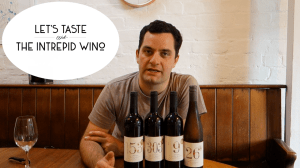
Tahbilk Winery in the Nagambie region of Victoria sent me samples of their 2013 Reds for my appraisal. You may have seen previous Let’s Taste episodes looking at Tahbilk wines, and you may have heard my episode of The Vincast with owner Alister Purbrick. If you haven’t, head to the Intrepid Wino website.
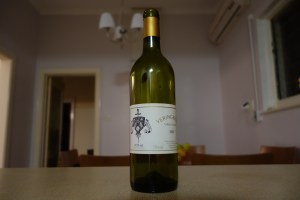
Yeringberg is one of the most historic viticultural sites in the Yarra Valley, and is also one of the oldest family owned wineries in Australia. The de Pury family have been in this part of Victoria since the 1860s, and have an incredible connection with their land, farming a number of different agricultural products. They make a number of outstanding wines, and the Yeringberg sits at the top. I opened the 2005 vintage from my cellar and shared my impressions, let me know what you think in the comments below.
Part three of The Sangiovese Project is all about pressing the two bins and transferring them into their vessels. If you haven’t already seen part one and two, I recommend watching them before this video.
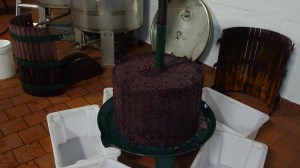
Bin X of the Heathcote Sangiovese that was foot-stomped and plunged daily, took about 10 days to finish its fermentation on skins. The skins were quite broken down and plenty of colour had been leached into the wine. The original 500kg of grapes fit into one basket press, and produced just over 300 litres of wine. It settled in a tank for two nights then was transferred into a seven-year-old hogshead (300L) barrel for its elevage.
Bin Y was left as whole berries after de-stemming. It went through a mostly carbonic maceration, and was not handled until pressing. Any juice in the bin was fully fermented, but there was still a lot of juice inside intact berries that was not fermented yet. Pressing included two top ups of the press, as the berries took up much more space. The wine was darker and fruitier. It was transferred into a 300L stainless-steel tank and a 34L demijohn to finish fermentation, and it will stay there.
Please note that the memory card was full towards the end of pressing so I missed a bit.
I hope you enjoy this next part of my first winemaking journey, thanks again to Alex for the advice and the help processing the wine. If you have any questions please feel free to ask them in the comments below.
Good friend and wonderful Melbourne-based sommelier Jasmine Wakely is studying winemaking at Melbourne Polytechnic in Epping. In 2015 she made her first wine, a cool-climate syrah named Le Timbre. She only bottled the wine in magnums, and she generously gave me one to open here on the Intrepid Wino channel. Let me know what you think!
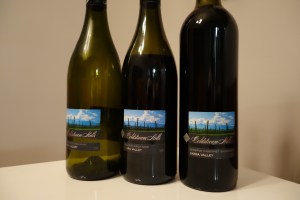
My first real wine job was working in the cellar door at Domaine Chandon in the Yarra Valley, which I did for 18 months from the beginning of 2006. One of my colleagues there lived at Coldstream Hills as her partner was one of the winemakers. She very generously put together a mixed dozen of back vintages of their Reserve wines, many of which are still in my cellar. I decided to open the three wines from the 2004 vintage (Chardonnay, Pinot Noir & Cabernet Sauvignon), and these are my impressions. Let me know what you think in the comments below.
Jane Faulkner is one of Australia’s most loved and respected wine journalists, with several decades of experience and countless tasting notes under her belt. She is also one of the most travelled wine writers, and is considered one of the foremost experts on Italian wine and alternative varieties in Australia. This is in part due to her role as chair of the Australian Alternative Varieties Wine Show. She (finally) joined me on this episode of The Vincast to talk about her background, her insights, her thoughts on wine communication, and the direction she hopes alternative varieties head in this country.
If you haven’t watched Part One of The Sangiovese Project (processing the fruit), I suggest watching that first.
Part Two is all about fermentation. Two days after receiving the fruit, fermentation was under way in Bin X. It was important to plunge the cap of skins (and some berries) every day, partly for the gentle extraction of colour and tannin from the skins into the wine, but also to keep them wet to avoid spoilage.
Bin X converted the sugar into alcohol at a rapid pace. It went from 13 degrees baumé to one or two in the space of three days. By the fourth day you can see that there is a lot less activity in the ferment. With some advice I gave the bin a few more foot-stomps to squeeze more juice out of the remaining berries, which extended the ferment a few more days and extracted a bit more colour and tannin. After 10 days the ferment was finished, but daily plunging continued until pressing on the 22nd of March.
Bin Y had CO2 pumped into the bin and it was covered by cling-wrap. It was checked each day simply by smell, giving off a slightly candied fruit aroma. The weight of the berries gradually crushed the berries at the bottom of the bin, and the juice fermented dry. It was very crunchy and bright to taste.
The next part will focus on the pressing of the two bins, and their subsequent transfer into their vessels. Feel free to ask me any questions in the comments below.
If you haven’t already seen me share it on social media, I started my first winemaking project, tentatively called The Sangiovese Project. The idea was to purchase some sangiovese grapes from the Heathcote region that were of exceptional quality, and try some experimenting with it. This video, the first of several parts of the journey which I will be sharing, chronicles the processing of the fruit.
Two bins totalling one tonne of hand-picked grapes were delivered on a rainy Thursday evening (10th March). The fruit was grown by viticulture legend (and guest on Episode 65 of The Vincast wine podcast), Mario Marson. In this video you will see how the fruit was prepared for fermentation.
Iain Riggs is one of the most respected winemakers in Australia, with decades of experience making wine from regions across the country, as well as a wine show judge. He has been at the helm of Brokenwood Wines in the historic Hunter Valley for some time, elevating them to one of the top producers of semillon and shiraz in Australia. Having worked closely with the likes of Len Evans and his incredible tutorial, Iain took the reigns of this illustrious institution when Len passed away. Iain joined me on the podcast while he was recently in Melbourne, and we talked about his background and his views on Australian wine.
Josh got in touch with me via intrepidwino.com and offered me the chance to look at some wines from a brand that has recently been introduced into the domestic market, previously only being available overseas. The four Millon Estate wines I tasted are made from Eden Valley fruit, and are all from the 2014 vintage. Here are my impressions, let me know what you think in the comments below!
The Vincast - a Wine Podcast with The Intrepid Wino
A podcast about wine, wine culture and wine people. Every week a different guest from the wine industry joins host The Intrepid Wino (aka James Scarcebrook) for a casual chat about the world of wine.
All content on this podcast remains the sole property of the author unless otherwise acknowledged and appropriately credited. Unauthorised use and/or duplication of content without express and written permission from the author is strictly prohibited. Content may be used for reproduction provided that full and clear credit is given to James Scarcebrook and/or The Intrepid Wino with appropriate and specific direction to the original content.







 The Intrepid Wino