Tag Archives: Europe

The White Stuff (Rueda, Spain)

Not too long ago, there was a region to the south-west of the Ribera del Duero that produced a wine very similar to that of Jerez. Just like their colleagues down south they grew palomino, a very fast ripening high yielding variety that they harvested early with plenty of acidity, and then made wine in the flor based solera system in the sun. That was until the Rioja winery Marques de Riscal came in search of a region to produce white wine, and found some very old indigenous verdejo vines. Seeing the potential for the wines here, they cultivated vines and began to produce crisp fresh white wines that captured the imagination and the palates of Spanish wine drinkers, particularly in warmer weather when full-bodied reds can be a little unforgiving. Soon the region flourished as more producers began producing wine in the region, particularly important people like Telmo Rodriguez, and suddenly Spain had found its new white wine region. The second wave occurred towards the end of the 1990s as some vintners began fermenting and ageing verdejo wines in barrels, and a new style was created.
The soils and stones of Rueda

Continue reading

Leave a comment

Filed under Winery Visits

Protos – 22/06/2012

Verdejo 2011
Very vibrant aromatic, characteristic of the variety, sweaty concentrated passionfruit. Plenty of fruit and generosity on the palate, fresh easy, balanced, pretty good for 800,000 bottles per year. Simple yes but not bad at all. A bit of green grassy notes.

Barrica Verdejo 2010
Toastier vanilla lanolin with some richer fruit notes. Fuller body and texture but still very fresh simple and fruity. Slightly more character, but for the most part good quality commercial wines. A touch of creaminess and caramel notes, a hint of sweet spice notes. Lost the same aromatic compounds.

A Protos barrel, one of 16 used for the Barrica wine

Leave a comment

Filed under Tasting Notes

Belondrade y Lurton – 22/06/2012

Quinta Clarisa Rosado 2011 (100% tempranillo, made like a white wine with the lees of Belondrade)
Nice savoury notes coupled with the freshness of strawberries and cherries. Lovely colour. Great structure, mouthfeel, good texture with some tannins and lees influence, vibrancy of red fruits, some crispness on the front, a touch of citrus notes. Nice and round, mouth-filling flavours, perfect balance between savoury and fruit sweet/freshness. Easy to drink and with great personality.

Quinta Apolonia Verdejo 2011
Lovely bright floral notes, rich ripe stone fruits and some, very delicate honey creaminess. Full expressive generous fruit, vibrant texture, some tightness and crispness on the middle of the palate, wonderfully rich and broad, nice volume and texture, quite concentrated and intense but very fresh with great lines and finesse.

Belondrade y Lurton Verdejo 2010
Amazingly complex, somewhat closed, a little salty on the nose, a touch of the seashell influence, delicate yellow and white floral notes, citrus and white peach. Quite dense and powerful for a white wine, concentration and volume. Texture weight and complex oak characteristics, nice spicy toast elements. A three-dimensional wine, perfect for ageing but very enjoyable now. Not at all over the top, a little tropical on the back.

Belondrade y Lurton Verdejo 2008
Slightly more developed nose, showing some bottle-aged characters, more lees derived notes showing through. Fuller yet finer and more precise on the palate, deeper and creamier texture, oak starting to integrate beautifully, very late slightly sweet stone fruit complementing the fresh citrus elements. As the fruit has softened the alcohol is looking a little more prominent.

Belondrade logo

Leave a comment

Filed under Tasting Notes

Javier Sanz – 22/06/2012

Orden Tercera Verdejo 2011
Vibrant fresh sweaty SB style, passionfruit grapefruit. Clean fresh apples, tight acids, vibrant yet light fruit, good purity and breadth of persistent tropical fruit notes. Simple fresh easy drinking wine, a little funky on the nose.

Villa Narcisa Sauvignon Blanc 2011
Less aromatic than the Vederjo, nice minerality on the nose, fresher cleaner fruit, more closed and focused somehow. Vibrant kiwi and fig elements, slightly green and herbal, nice volume but still very clean and fresh. Some nice fruit sweet volume and viscosity.

Villa Narcisa Verdejo 2011 (50+ year old bush vines)
Closed aromatically, possibly due to age of vines or age of wine. Fuller volume, richer and more generous texture, a little more weight and intensity of fruit sweetness. Depth and concentration, more warmth too. Riper fruit characters, more orchard fruits and tight tropical elements. Bolder and more serious, with great balance and texture, and fantastic length.

V1863 Verdejo Sobre Lias 2011 (Single plot 1863 vineyards)
Creamy delicate honey notes, bright but subtle fruit. Very sneaky wine; looks very light and delicate but builds enormously on the palate as the alcohol and lees come into play. Plenty of complexity, very young at the moment, good texture and generosity of fruit, but slightly reductive now.

Villa Narcisa Fermentado en Barrica Verdejo 2008
More colour development, richer and more golden. Quite strong oak notes dominate everything aromatically, very toasted and caramelised citrus and some herbal elements as well. Very rich and intense, bold fruit and texture, ripe fruit some residual sugar, tropical and dried apricot notes, quite intense.

Rey Santos Semidulce 2011
Showing the same sweaty aromatic notes of verdejo. Nice and rich and viscous, quite sweet and fruit vibrant. Plenty of acids, but the sweatiness of the variety takes something away. Am I being too hard on the variety? Nice approachability, generous flavours and intensity, still very clean and adaptable with food.

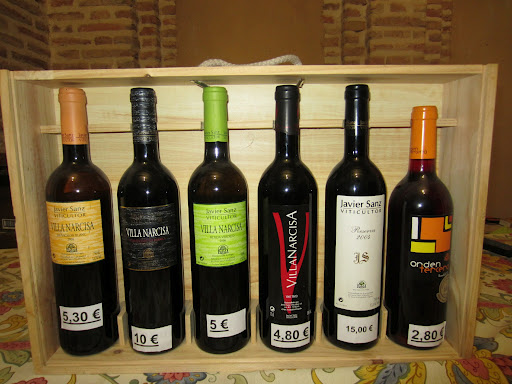
Some of the Javier Sanz range. Check the prices.

Leave a comment

Filed under Tasting Notes

The Wild West (Toro, Spain)

Only 30 minutes away from Valladolid is the town of Toro, but the difference is so apparent you would almost guess it was 3 hours away. Driving around the villages in this area almost feels like driving through an old west town from the movies, as it feels the landscape and lifestyle feels very familiar. It actually reminds me of being back in the Salta region of Argentina, albeit on much smaller scale. Life is a bit simpler and tougher here, and it is a common site to find Toro bulls destined for the bullfighting ring grazing in paddocks by the road. In this area the valley opens up and is significantly flatter as the Duero River approaches Portugal to become the Douro and flows out into the Atlantic Ocean. The landscape is significantly drier ad tougher for the cultivation of vines, which is part of the reason viticulture was almost entirely abandoned many years ago. Fortunately many vineyards were not removed and there are some seriously old vines growing close to the ground in very sandy and sometimes alluvial soils. The rediscovery of this region came during the boom of Spanish wine, when wines like the Ermita and Pingus were gaining attention for their immense power and structure, unlike any other wine made in Europe. All of a sudden the region exploded, and the number of wineries went from six in 1998, to over 50 today. The first winery I visited on my only day in Toro brought attention to the region, and the second confirmed its status as the next big thing. The third winery shows how good and affordable wine can be made even in such a harsh climate.

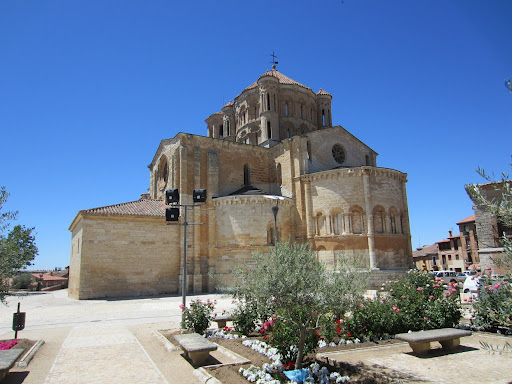
The biggest church in Toro

Continue reading

Leave a comment

Filed under Winery Visits

Sobreno – 21/06/2012

Finca Sobreno 2010 (6 months in 4-year old barrel)
Very vibrant exuberant nose of red fruits, black cherries, raspberries, very fresh and soft. Mouth-filling generous fruit-driven, approachable juicy and broad. Plenty of jammy fruit and limited oak influence. Good start.

Organic Tempranillo 2010
More elegant and fresher, brighter acids and tighter tannins. Purer but somehow more mature. More focus through the middle of the palate. Nice balance but lacking a little personality. Not reflective of the origin.

Crianza 2008
Denser more earthy darkness, slightly leathery and dusty, cassis and blood plum fruit. Quite vibrant well balanced focused and full flavoured, good clarity of fruit, again not at all oaky, nice character. Good acids, still young and fresh, nice and tight but very drinkable.

Selecion Especial 2008
Darker more intense colour. Certainly more oak influence aromatically, chocolate coconut, black fruit sweetness. Full bold soft and sweet, creamy and textural on the palate. Quite modern and new-world (whatever that means these days). Much fuller and warmer, definitely more oak influence on the flavours and textures.

Reserva Familiar 2005
Very intense sweet new American oak nose, very caramel vanilla smoky toasty banana skin influence. Intensity of sweet fruit extends through to the palate, very aggressive tannins, no finesse at all, too oaky and fruit sweet, inelegant wine. Prefer the cheaper wines.

Single vineyard tinto de toro, icon style 2008
Better character of fruit concentration and stressed vines from old stock. Good fruit, oak less influenced, not too exuberant like the previous wines. Full and intense, a little heavy on the palate. Very concentrated but balanced wine, powerful broad with some late creaminess from new oak, good depth and personality but looking a little young at the moment. Lot’s of potential, but a strong reflection of the origin.

The berries are coming

Leave a comment

Filed under Tasting Notes

Pintia – 21/06/2012

2006
Interesting ripe tomato seeds, intense balsamic soy notes, dark fruits, plums currants, crushed herbs, Bright and fresh yet very intense and slightly warm, incredibly intense, very powerful and broad, dense and oppressive tannins, slightly cooked fruit, very hot vintage, wild and untamed. Some toasted caramel notes, slightly overwhelmed by alcohol.

2007
Softer more opulent rich nose, sweeter fruit, more chocolate and nut aromas, more generous and broad red and black fruits, some sweet olive characters. Lighter and tighter than the 2006, less overt fruit, slightly cleaner. Alcohol still prominent but better contained, still plenty of freshness and life to it, better focus and slightly softer tannins, great structure but still very intense and powerful.

2008
Closed and young, too short a time in bottle, more subtle fruits, better integration, more complexity than previous vintages, interesting savoury spice notes. Lighter still, better acids, wonderfully balanced and full, very integrated and complete, perfect structure and expression, completely fills the mouth and has sensational length. Actually drinkable, hard to believe, intense of course but an amazing expression, perfectly capturing the terroir and personality.

Three vintages of Pintia

Leave a comment

Filed under Tasting Notes

Even better than the real thing (Ribera del Duero, Spain – Day Three)

I’d like to take this opportunity to talk about the complexities of communication. A significant amount of the worlds problems can be traced back to a failure to communicate, through misunderstandings, misrepresentations or ignorance. In daily life it can be so difficult to get your message across and understand your opposite within your native language, let alone someone else’s. It is my firm belief that the major thing holding wine back in the world is communication, rather than economic, political or social barriers. Wine is such a unique product that it is futile attempting to market it in my opinion, all you can do is communicate it. Some might argue that this is the same thing, but communication is only one element of marketing that is the most complicated in relation to wine. In my experience one of the hardest things to convey about wine is more than quality, it is personality, context and the overall mystery of wine. I have always endeavoured to improve the way I communicate about wine, dependant on the audience, and I will continue to do so in the future. When you consider that in todays global wine market there are hundreds of different language and cultural barriers, this further adds to the complexity involved. On my journey I have had several instances of misunderstanding and miscommunication, but my experience today was one of the most frustrating.
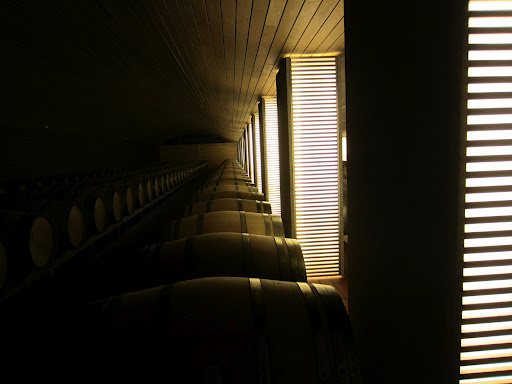
Barrels in the cellars of Vega Sicilia

Continue reading

Leave a comment

Filed under Winery Visits

Numanthia – 21/06/2012

Numanthia #3 2011
Wonderfully intense dark colour, black purple. Quite reductive nose at the moment, very shut down in fruit, oak hiding a lot, needs some time to open up and express. Very dry black fruits, toasty dark floral notes, nice smoky toasty element from the oak. Dark dark toasty intense but not too heavy, retaining some acidity surprisingly, closed fruit for now, some interesting savoury spice notes, but quite sweet full tannin structure, and great length.

Termanthia 2011 #2 (hand destemmed, small oak vat open ferment)
Incredibly intense but not overly aromatic nose, wonderful dark fruits, cherries, blackberries, dark liquorice and sweet Indian spice notes, some earthy and very subtle toast notes. Wonderfully supple and soft in the mouth, builds incredibly on the palate and explodes on the back. Very powerful and warm expression, huge concentration from old vines and low yields, again retaining some freshness so it isn’t heavy or too aggressive in the tannins.

Numanthia 2010
Quite closed fresh off the bottling line, some dark fruit notes, very subtle chocolate. Much more intense and concentrated than the 2011 looks at the moment, big difference in vintage conditions? Warmer sweeter tannins, cassis, blackcurrant, slightly pruney, needs a few months transport to the US to soften and open. Quite a powerhouse at the moment.
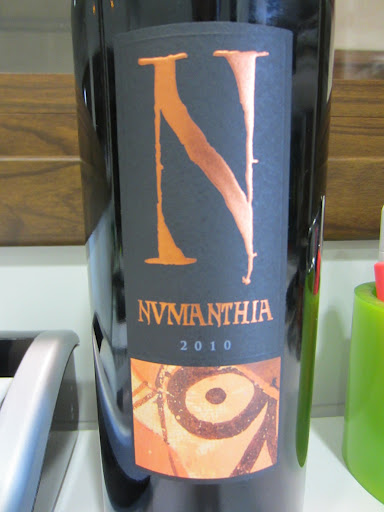
Numanthia 2010

Leave a comment

Filed under Tasting Notes

Moving and shaking (Ribera del Duero, Spain – Day Two)

About 15 years ago Spain became the new frontier for wine in Europe, with a number of emerging regions being discovered by a small group of pioneers not necessarily from Spain. It was a great time to invest in the country, as land prices were still relatively low, the costs of labour and materials was lower, taxes were beneficial and there was growing interest for the wines around the world. Those early pioneers like Alvaro Palacios and Telmo Rodriguez got in at the best time, but had to work hard for very little initial reward. They are now reaping the benefits of their commitment and foresight, and those who followed rode on their coattails (particularly in terms of brand building), but at the same time paid higher prices in general. Unfortunately times are different in the year 2012 as it is well-known. Spain amongst other countries is in deep recession, and things aren’t much better in many export markets. The recent controversy of Pancho Campo only served to highlight the growing reliance on media endorsement, and the exploitability of wine businesses eager to get an edge in an increasingly competitive global market. The pioneers aren’t too fazed, as they are well entrenched in their regions and wineries, and their wines are unlikely to fall out of favour, as long as there is rabid demand to pay full price for allocated wines. I was introduced to two projects of another pioneer and modern icon, the Danish-born Peter Sisseck.
Bunches in mid-flower in the vineyards of Quinta Sardonia

Continue reading

Leave a comment

Filed under Winery Visits