Tag Archives: Europe

Jean-Luc Colombo – 25/05/2012

La Redonne Cotes-du-Rhone Blanc 2011

Classic peach pear spice with delicate floral notes. Ripe banana tropical, quite textural and rich, very broad and short on the palate, very warm and a little dull.

La Belle de Mai Saint Peray 2009 (80% roussanne, 20% marsanne)

Concentrated lifted floral and white peach aromas. Creamy fat and broad on the palate, vanilla texture, generous and full-flavoured, but still a tad too warm.

Les Lauves Saint Joseph 2010

Tight closed and shy fruit spice on the nose. Elegant yet expressive on the palate, volume and concentration, generosity yet balance and good depth.

Terres Brulees Cornas 2009

Quite a dark fruit-sweet njose. Juicy bold and full yet light and fresh, mature tannins and fruit, depth and restraint.

Terres Brulees Cornas 2008

Spicier and more peppery intensity, violets and crushed herb notes on the nose. Deeper concentration and fruit precision, looking more youthful than the 2009.

Les Fees Brunes Crozes-Hermitage 2009

Fairly simple and inelegant, clean fruit and approachability but very light without any structure or focus.

Les Ruchets Cornas 2009

Complex spice notes aromatically, herbal sweetness and ripe blackcurrant. Very youthful, showing good structure and balance, concentrated and powerfully expressive, yet somehow hesitant and unsure of itself, not being taken to the logical conclusion.
Jean-Luc Colombo Les Ruchets Cornas 2009

Leave a comment

Filed under Tasting Notes

All things considered (Rhone Valley, France – Day Three)

The Rhone Valley is arguably one of the most diverse regions in France, if not Europe. Covering over 200 km from north to south it is one of the longest regions, and with the difference in climate and soil conditions provides many opportunities for viticulture. The region is split from Valence, about 100km north of Avignon and 100 km south of Lyon. North of Valence has a much more continental climate, cooler and well protected from winds and rain. South of Valence is more Mediterranean in climate, warmer with more wind influence. This is probably the most important difference between the north and south. Throughout the entire region, there are a multitude of producers of different size and style. Growers who may not make or bottle their own wine may be part of a cooperative that vinifies the fruit, and either sells the wine in bulk or bottle. There are more artisan producers who only produce wine from their own estates, whether in a single appellation or several. Then there are those in between, who produce wine from their own estates, and also purchase fruit and/or wine from growers to produce/bottle under their own label. It is very common for producers in the Northern Rhone Valley to operate in this model, as in the north there are not enough vineyards and they are also very expensive to purchase and manage, and so they compensate by bottling wine from the south were fruit is less expensive and in much larger supply. In several cases a Cotes-du-Rhone Rouge wine may account for 50% of the bottles sold each year. The first appointment for my third day epitomises this model (Guigal), the second has only just started to move into this realm (Chateau Font de Michelle), and the third only produces wine from their own estates across three appelations/vineyards (Domaine de la Renjarde/Le Prieure de Montezargues).

Only days away from capfall and flowers developing

Continue reading

Leave a comment

Filed under Winery Visits

Domaine Font de Michelle – 23/05/2012

Cotes-du-Rhone Rouge 2010 (grenache, syrah, cinsault)

Seductively sweet red currants, cassis and delicate floral aromas. Bold fresh and light on the palate, good acid freshness, raspberry and a little dried honey.

Cotes-du-Ventoux Rouge 2010

Very tight, quite closed and reductive, crushed green spice and menthol elements very subtle on the nose. Quite tannic and crunchy but pure and lean. Needs a little bit more time in the bottle.

Cotes-du-Rhone Village 2010 (1005 syrah)

Sweet and savoury meaty soy notes, black pepper cumin and raspberry aromas. Focus and drive on the palate, lively fruit, good intensity without heaviness, concentration with plenty of vibrancy.

Gigondas 2010 (95% grenache, 5% mouvedre)

Smoky earthy minerality, bright juicy and fresh blackcurrants. Gentle full sweet tannins, opulent and yet bold and intense, subtle savoury elements making this an ideal easy-drinking yet characterful wine.

CT9 Blanc 2011

Quite juby candied marzipan over a sweet banana nose. A tad fat and blunt on the palate, too tropical and a little dull, lacking texture and structure.

CT9 Rouge 2009

Quite stalky with nsome green menthol notes, subtle spice and dark fruit aromas. Full and generous balance on the palate, lively youthful and approachable, soft savoury complex tannins, mouth-coating but not tiring.

CT9 Vielles Vignes 2009

Spicier and meatier on the nose, classic from Le Crau, dried strawberry and black cherry with violet florals. Mature tannins, red liquorice, depth inregrity, generosity, length and intensity.

CT9 2010

Extremely complex and subtle on the nose, some red currants and raspberry but also savoury, salty and sweet at the same time. Tight, lean and focused with great structure and finesse on the palate, very young and showing amazing ageing potential.

CT9 Vielles Vignes 2010

Insane concentration and complexity aromatically, very expressive but subtle all at once. Very juicy, ripe and opulent tannins, bold and powerful yet not too dense or aggressive. A very serious wine, deserving at least 10 years of cellaring.

Domaine Font de Michelle

Leave a comment

Filed under Tasting Notes

Guigal – 23/05/2012

Crozes-Hermitage Blanc 2010 (95% marsanne, 5% roussanne)

Nice blossom sweet white berry nose with some delicate spice. Very crisp and pure on the palate, expressing some minerality with focused bright and fresh fruit.

Condrieu 2010 (100% viognier)

Honeyed apricot blossom, oily and yet bright and floral. Very tight structure with volume and viscosity, some sweet fruit texture and richness and subtle oak complexity.

Hermitage Blanc 2007 (95% marsanne, 5% roussanne)

Much more expression of oak and malolactic characters on the nose but well integrated. Quite fat and broad, lacking a little focus, but relatively clean and pure with subtle oak notes.

Ex Voto Hermitage Blanc 2009 (100% new oak)

Newer oak hiding the richness of the malo, very oily honeyed peach notes with much more complexity aromatically. Ideal concentration of fruit for the winemaking style, good length and intensity, well balanced richness and breadth, ageing potential.

Saint Joseph 2009 (100% syrah)

Black pepper green spice, earthy meaty complexity on the nose. Pure clean and mineralic, some very late chocolate notes possibly from the oak, fruit not very expressive.

Cote Rotie Brune et Blonde 2007

Meaty spice but no pepper, finesse intensity and vibrancy on the nose. Silky tannins, focus and drive, mature stalk notes adding some brown spice, very deep and serious.

Hermitage 2005 (100% syrah)

Very prominent black liquorice and violet aromas, blackberry and raspberry cordial fruit. Bold and juicy tannins and fruit on the palate, generous depth and some mature toasty creamy texture.

Chateau d’Ampuis Cote Rotie 2007 (eight parcels)

Showing very smoky stalk notes, tight small dark berries, white pepper elegance. Soft velverty yet bright tannins, very young at the moment but still very approachable.

La Turque Cote Rotie 2008 (Single vineyard, 98% syrah, 2% viognier)

Very floral, unbelievably concentrated, violets spice and white pepper. Generous fruit, focused tannins, opulence and concentrated rich fruit, lively yet brooding but still very drinkable now.

Ex Voto Hermitage 2006 (100% syrah)

Noticable but subtle vegemite aromas, meaty spice elements. Generous and soft, juicy texture with good fruit, but very unfocused and broad, looking like its peaking, not as strong as the cote rotie wines.

Tasting at Guigal

Leave a comment

Filed under Tasting Notes

Are you Rhonesome, tonight? (Rhone Valley, France – Day Two)

There are so many differences between the Northern and Southern Rhone Valleys that they should almost be called completely different names. Almost the only thing in common as I mentioned in my last post, is the fact that the four varieties grown in the north are also grown in the south. The Northern Rhone is a much more narrow and elevated valley than in the south, which opens up into wide plains with rolling hills rather than steep cliffs. This type of land actually reminds me of the way the Adige River flows south from Austria through the Italian Alto Adige and Trentino regions into Veneto. Secondly the amount of vineyards in the Northern Rhone is 3,000 hectares, which is the same amount as Chateauneuf-du-Pape alone, one single appellation of almost ten in the Southern Rhone. Thirdly the general approach for the Southern Rhone is for volume rather than quality, particularly for the Cotes-du-Rhone appellation, and there are only a few which go for quality above all else. In the Northern Rhone there is really only one appellation of eight that is more geared towards volume and compared to the Southern Rhone would be considered one of the quality appelations. In the Southern Rhone there is significantly more wine blended between areas than in the Northern Rhone, not to mention a great many more varieties blended, whereas in the north they really only use four and never blend more than two together. Probably the biggest difference is the amount of wine produced by cooperatives, much of which is sold to negociants within the Rhone Valley or outside of it and then bottled by someone else. Very rarely does wine get sold in bulk in the north; it is either sold as grapes or bottled wine. The first appointment I had for today was a negociant producer owning no vineyards (Tardieu-Laurent), and the other was the opposite, only producing wine from their vineyards in the Southern Rhone Valley (Vieux-Telegraphe).

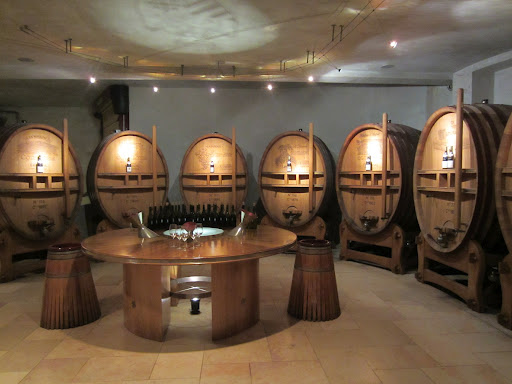
Different sizes of barrels used to mature wine

Continue reading

Leave a comment

Filed under Winery Visits

Vieux-Telegraphe – 22/05/2012

Clos La Roquette CT9 Blanc 2011
Rich phenolic nose, floral ripe peach, apple pear and lees notes. On the palate very light, clean and balanced, some late fruit sweetness and very subtle oak texture and complexity.

Vieux-Telegraphe CT9 Blanc 2010
Concentrated reductive yet rich nose, crushed floral perfume, guava and pear, with some lees derived nutty cheese elements. Very lively yet fat and rich texture, masculine full oaky style, well-blended but very young with great ageing potential.

Les Pallieres Terrasse du Diable Gigondas 2009
Liquorice raspberry floral fruit sweet smokiness with some subtle aromas of asparagus. Concentrated dark fruits, chocolate subtlety and fruit sweetness, stalky savoury elements with some smoky flavours as well.

Les Pallieres Les Racines Gigondas 2009
More brazen in style, raisin and caramel notes, toastier and more robust aromatically. Light and clean on the palate but with more depth, darker fruit and oak sweetness, intense spice, a more serious wine.

Clos La Roquette CT9 Rouge 2009
Light in colour, fresh clean, delicate floral and fruit elements aromatically. Good integration on the palate, full-flavoured yet soft and rich, opulent red fruits with some carob notes and also fresh acidity.

Vieux-Telegraphe CT9 Rouge 2009 (65% grenache)
Intense ruby brick red colour, closed delicate red liquorice with spice, chocolate and black fruits on the nose. Quite dense, more brooding in structure and masculine in style, smooth yet dark and bold tannins.

Vieux-Telegraphe CT9 Rouge 2001
Aromatically closed at the moment, salted chocolate and caramel, subtle red currants and raisins, smoky meat and truffle complexity. Supple yet dense tannins, not particularly expressive, very subtle mature mint notes. Hard to tell if this wine is just shut down or peaking a little bit.

Vieux-Telegraphe wooden case
Click here to read about my visit to the winery

Leave a comment

Filed under Tasting Notes

Tardieu-Laurent – 22/05/2012

Hermitage Blanc 2010 (75% marsanne, 25% roussanne)

Creamy nutty toasty apricots, vanilla lanolin and citrus concentration on the nose. Crunchy creamy texture, bold yet soft, complex and focused with two years to develop.

Cotes-du-Rhone Rouge 2010 (60% grenache, 40% syrah)

Bold floral juicy red fruits, blackberries mature spice aromas. On the palate, generous full-flavoured fruit, soft approachable tannins, concentration and depth for this type of wine.

Vacqueyras 2010 (80% grenache, 20% syrah)

Toastier and earthier stalky pepper notes, violets spice black cherry darkness aromas. Fresh light and tight on the palate, great lines and liveliness.

Gigondas Vielles Vignes 2010 (90% grenache, 5% syrah, 5% mouvedre)

Dark earthy meaty spice aromas, ruby blackcurrant and savoury plum concentration. Fresh pure and focused on the palate with tight tannin structure, still very closed.

Chateauneuf-du-Pape 2010 (75% grenache, 15% syrah, 10% mouvedre)

intense dark colour, very bold and juicy in fruit on the nose, black fruits with some toasty nutty oak characters. Dense and full on the palate, warmth and texture but still clean and bright, albeit very intense.

Chateauneuf-du-Pape 2010 Cuvee Special

Much meatier and earthier on the nose, concentrated savoury notes with wild feral spice unlike a chateauneuf wine. Concentrated spice and elegant tight structured tannins looks more like a Northern Rhone wine.

Crozes-Hermitage 2010 (100% syrah)

Gentle fresh, lively and intense with crisp red fruits and subtle white pepper. Red currants pomegranate and raspberry fruit on the palate, broad and mouth-filling but light and approachable.

Cornas 2010 (100% syrah)

Strong aromas of wild game and red cherry, complex tight nose. On the palate very velvety opulent tannins, long finish and purity with vibrant acids keeping things fresh.

Cornas Vielles Vignes 2010 (100% syrah)

Incredibly seductive nose, dense floral stalky spice notes, slightly feral with blackcurrants. Juicy, juby and concentrated on the palate, bold and expressive dark fruits and tannins.

Cote Rotie 2010 (100% syrah)

Very tight, concentrated yet bright aromas, lean and mineralic with subtle focussed fruit. Extremely austere, and also very closed at the moment so a more challenging wine to approach this soon, needs more time.

Hermitage 2010 (100% syrah)

Intense earthy savoury fruit nose, very red and bold. Full-flavoured yet generous, bold texture and grainy tannins, well structure intense fruit that needs time to balance before bottling.

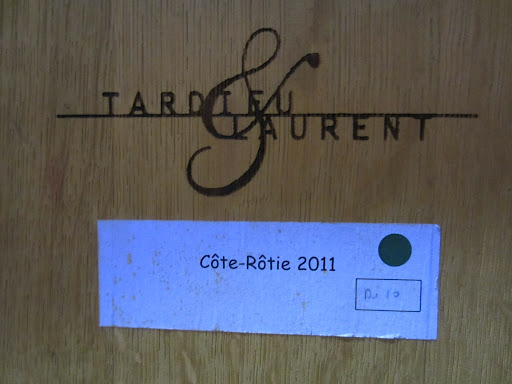
Tardieu-Laurent Cote Rotie 2011 barrel

Click here to read the original post about my visit to the winery.

Leave a comment

Filed under Tasting Notes

I’m feeling Rhonery (Rhone Valley, France – Day One)

I spent a nice weekend checking out some of the sights in Marseille and Avignon, two very important and historic cities in Provence, before heading to the next region on my trip. I was actually returning to another region I visited in France when I was here in 2010, but much like Alsace I could only spend one day in the Rhone Valley when I last visited. Whilst this was long enough to fall in love with the region, it wasn’t enough to truly learn about the different appelations and wine styles, so I was very excited to return. My plan was to spend a few days in the Southern Rhone, and a few more in the Northern Rhone, because the Valley is a few hundred kilometres long which I discovered in 2010 when I drove from Lyon to Chateauneuf-du-Pape and back in one day. From north to south they are completely different in many ways, and therefore should never be considered as one region, much like Provence. Whilst all the varieties that are grown in the Northern Rhone are found in the Southern Rhone, the opposite is not true, and the wines are very different. The appellation of Chateauneuf-du-Pape itself, covering 3,000 hectares of vineyards making it one of the largest single appelations in France, can use up to 13 varieties. Whilst the Northern Rhone has very steep vineyards with very different terroirs and only four varieties, the Southern Rhone has generally flatter vineyards and more varieties to work with and blend.

One of the most iconic items in French wine

Continue reading

Leave a comment

Filed under Winery Visits

One region? I think not (Provence, France – Day Two)

Provence is yet another of those regions that is often thought of in one general way and also associated with a particular type of wine; rosé. Like so many other regions it is impossible to think of this region as one thing, because it is not only very large (one of the largest in France), but extremely diverse in terms of micro-climates, soil types, aspects and altitudes. Wine styles can differ, as can philosophies about the making of the wine. Many of the vineyards of Provence are individual growers who are part of a cooperative, which at the moment is churning out very simple, thin and watery rosé which is fuelling a very large global market for refreshing aperitif wine that can be served very cold, sometimes with an ice-cube. Whilst this type of wine may be reflective of the market in general, and a reflection of the warm weather enjoyed in this part of Europe, it is not necessarily reflective of the many parts of Provence. From the coast to the forest-covered mountains, Provence has the potential to produce a great range of wines, from as many different varieties. A number of smaller producers are committed to this, and several appelations have sprung up in the last 50 years, two of which I visited today to learn more.

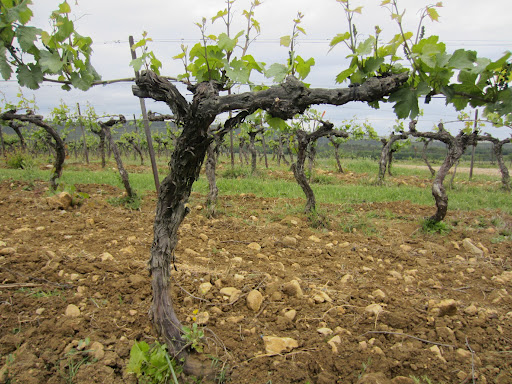
Gnarly vines at Domaine de Triennes

Continue reading

Leave a comment

Filed under Winery Visits

The best rosé in the world? (Provence, France – Day One)

Some places on the planet have been blessed with immortality as tourism hotspots, and are so popular you wonder what all the fuss is about. These are the kinds of places that hard-core travellers avoid, for some obvious and not so obvious reasons. The obvious reasons are they tend to be tourist traps, where you are commonly charged exorbitant prices for mediocre quality and service. These places are also filled with tourists, who can be loud and obnoxious, and cause you to wait in lines to see some of the highlight attractions. There must be however, a reason why these places became so popular, whether it be culture, history, beauty or all of the above. One place I have been to where it is almost not worth the effort is Venice, a place where no-one really lives and works apart from feeding the insatiable tourism industry. Many of these places are so charming and beautiful that you are willing to forego the prices hikes and crowds, such as Rome, New York and Rio de Janeiro. The Cote d’Azur or the Provencal cost has been one of the most popular places for tourism in France for centuries, and is certainly well deserving of this honour. The coast itself is simply stunning, sometimes with mountains sitting merely metres away from the shore. When I first visited France in July 2010, I remember driving up the motorway back to Lyon after visiting Chateauneuf-du-Pape, and seeing the bumper-to-bumper traffic heading south. Now I understand what all these people were willing to undertake, as even a few days here has a rejuvenatory effect on you. Luckily the region also makes some stunning wines, and is the home of an entire style of wine; rosé. To put it into perspective how important this wine style is to Provence, they produce more rosé than Australia produces wine.

What will these little gems become?

Continue reading

Leave a comment

Filed under Winery Visits