![]() |
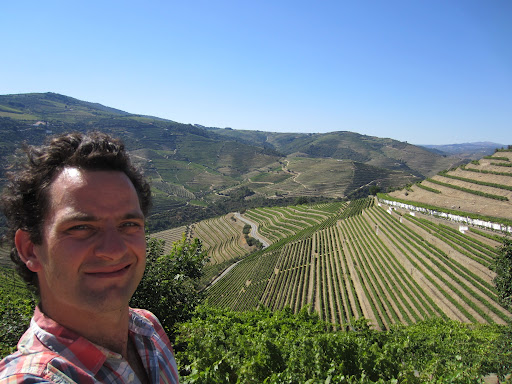
| High above the vineyards of the Douro |
Tag Archives: Europe
Déjà vu (Douro Valley, Portugal – Day One)
Filed under Winery Visits
Porto to the past (Porto, Portugal – Day Two)
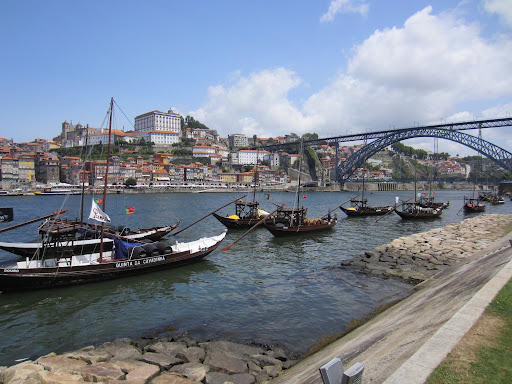
In case you weren’t aware (and I certainly wasn’t), the Douro Valley where port wine is produced was the first officially demarcated viticultural areas in the world in 1756, although Chianti and Tokaji were regionally defined but not regulated before this. The actual viticulture and initial fermentation is no different to any other red wine, but the fruit can tend to be a little riper with more natural sugar in it. After the fortification the wine used to travel down the river on boats in barrels, but today the wine travels on the road in climate controlled tanks. When you visit Vila Nova de Gaia on the left bank of the Douro in Porto, you can still see the barcos rabelos moored and floating, and now they are only used for racing and tourism. British merchants were permitted to import port at a low duty in 1703 which led to the wine gaining much popularity, partly because the war with France deprived English wine drinkers of French wine. The English involvement in the port trade grew much like in sherry, and still remains today in the names of many port shippers such as Cockburn, Croft, Gould, Osborne, Offley, Sandeman, Taylor, Graham, Dow and Warre, the last three of which are owned by the same family and I had the chance to taste on my second day in Porto.
![]() |
| Port boats docked in Villa Nova de Gaia |
Filed under Winery Visits
Hard a’ port (Porto, Portugal – Day One)
Only a week a go I was talking about a style of wine considered to be very old-fashioned and makes one think of old British movies. This wine was sherry, and it is interesting that about two weeks later I am here where they produce the other wine that comes to mind which is port. Sherry and port share a few things in common apart from being thought of as an old persons drink. Firstly they are both fortified wines, but in the case of port the fortification is made during the fermentation to stop it and retain a residual sugar, whereas sherry with the exception of pedro ximenez and muscatel are fortified after the fermentation. Secondly the fortification was important for the transportation and spread of port as it was for sherry, but it was actually British wine merchants who introduced the process into port whereas the Moors introduced it in sherry. The third similarity is with the fact that like dry sherries, cask-aged port doesn’t age in the bottle and should be consumed pretty soon after bottling, whereas vintage port ages in the bottle and can keep for a very long time indeed. The first fundamental difference between the two is that the vast majority of port is made from red grapes, whereas more sherry is made from white grapes. Along the same lines, almost all port is sweet whereas the majority of sherry is either dry or medium-dry. Like sherry however, port is also undervalued and underappreciated, and the best examples are truly exceptional wines regardless of their style.
![]() |
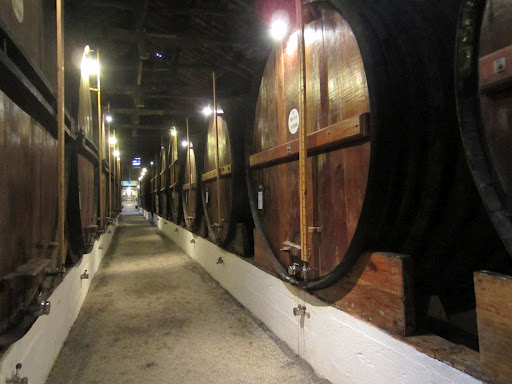
| The port halls of Taylor’s |
Filed under Winery Visits
Warre’s – 14/07/2012
Warrior Ruby Reserve
Nice spicy black fruits, Christmas style wine, very slight floral elements. Soft sweet brightness, smooth and long, nice and velvety and rich, nicely balanced sweetness. Brightness, sweetness and really approachable, exactly what you want from a ruby port.
LBV 2001 Unfiltered
Nice ruby creamy bright nose, showing some nutty characters, quite concentrated. Rolling flavours, quite complex, sweetness of ripe red fruits with a very creamy nutty texture, showing some nice characters of maturity, robust and full on the palate, good acids tying things together.
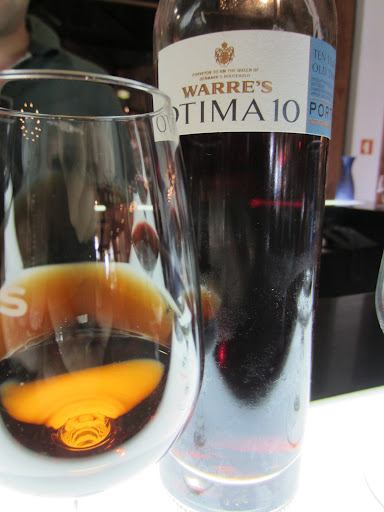
Otima 10 year old
Very subtle and smoky caramel. Crisp fresh and bright amazingly, tight and oxidative almost like an amontillado. Very intense and note really that sweet until very late on the palate. A very unique port wine.
Quinta da Cavadinha VP 1989|
Colour already starting to tawny up in colour. Almost like an old wine rather than an old port, fresh soft focused not sweet vey much, smooth yet brisk, showing its age.
![]() |
| Warre’s Otima 10 year old Tawny |
Filed under Tasting Notes
Graham’s – 14/07/2012
Six Grapes Reserve Port
Much more oxidative barrel elements, slight smoky characters, mature and more still wine notes on the nose. You can see the VP character in this wine. Soft bright but complex on the palate with some interesting sea influence, perhaps from the ageing? Velvety again, but more complex and savoury.
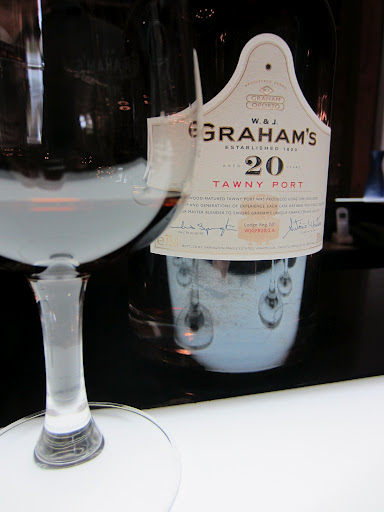
20 year old Tawny
Lovely intense golden caramel colour. Subtle smoky whiskey like nose, very casky and complex. Nutty texture and complexity, a little fiery and creamy, very long and opulent, good concentration, balance and still retaining freshness after all these years.
VP 2003
Deep intense dark but not expressive, very closed and young. Bold intense sweet, quite broad and simple, I’m not convinced this should have been a vintage year. There is absolutely no structure.
![]() |
| Graham’s 20 year old Tawny |
Filed under Tasting Notes
The future starts here (Dao, Portugal – Day Two)
Knowing so little about Portuguese wine everything I am experiencing is new to me. With such an objective opinion of wine and the wine industry here, I am open to different ideas and I have been developing some ideas which may or may not be particularly accurate. One of the first things I noticed about wine in Portugal compared to other European countries is that more premium wines tend to be a little more expensive, particularly in restaurants where they have pretty much the same markup as in Australia. The second thing I have noticed is that there is a big difference between commercially produced wines and more premium boutique wines both in terms of quality and volume, but there seems to be a huge gap in the middle with very few medium-sized wineries. The third thing I have noticed is a lack of cooperation between wineries, which I experienced when visiting one winery and them talking in a slightly negative or condescending way about other wineries. Obviously these wines are competing with each other, but perhaps they need to look a little bigger and consider that they are actually competing with other product categories like beer, spirits and countless non-alcoholic beverages. You also can’t ignore the trend for the best Portuguese wines to be consumed within Portugal, with port the only exception. All of these reasons combine to create a situation where very few outside the country know how good the wines are, and as such not much is exported in a profitable way. Hopefully this will change as new groups have been established to promote the wines around the world. The two wineries I visited on my second day in the Dao region are probably the most important for the region in the export markets.
![]() |
| Sandy granitic soils in Dao |
Filed under Winery Visits
Ramos Pinto – 13/07/2012
Duas Quintas Vinho Tinto 2010
Very balsamic on the nose, savoury dark fruits, very slight herbal toast elements. Fresh focused dark red fruits, balanced and approachable, clean and pure, oak not having a huge influence in weight and texture, just a very slight honey character late on the palate.
Duas Quintas Reserva 2008
Sweeter oak and fruit notes, coconut caramel, black olives, blackcurrant, slightly new-world/international wine. Round robust tannins, sweet oak profile, deceptively hot on the palate. Aggressive, over-macerated, over oaked, fruit totally overwhelmed, maybe due to concentration from the vintage but I struggle to see this wine improving.
LBV 2007 (kept in ‘large’ barrels and bottled unfiltered in 2011)
Ruby black fruits, violets, camomile, smoky chocolate and cumin, slightly spicy. Soft mellow bold, very warm on the front of the palate, rich broad and creamy on the mid-palate, wonderfully smoky and spicy, sweet but quite nutty towards the back with some dark chocolate notes. Cassis and blackcurrant, showing a little bit of freshness very late on the palate.
VP 2003 (two years in large old barrels, released after another two years in bottle)
More subtle on the nose, quiet fruit and floral elements, very closed but obviously like a coiled spring waiting to open up. Very intense and full, sweetness well restrained and good depth. Broad and mouth-filling but very focused with a core of acidity. I think I’m missing something with this one, not really seeing it…
VP 1983
Starting to thin out and get more of a tawny colour. Picking up much more complex oxidative notes, very nutty and spicy, very dry raisins, smoky chocolate and carob elements. Exquisitely smooth ad mellow, quite heady as the alcohol has integrated very well. Unbelievably complex and long, layers upon layers of flavours hard to pinpoint. Smoky herbal sweet thyme and a creaminess as well.
Porto White (medium dry white, fermented on skins but not able to age in the cask as long as a red port, 3 years ageing)
Nutty vanilla caramel honey. Fresh vibrant yet subtly sweet, showing the warmth a bit, but nice nutty and oxidative flavours and textures. We should be importing this if we aren’t already, a really delicious wine that can be chilled. Summer port! Complexity in youth!
Lagrima Branco (three years ageing, more sweetness)
Quieter on the nose, subtle salted caramel. A lot less subtle on the palate, quite simple and sweet, very creamy and too viscous. Opening up a bit more with some warmth, served a bit too cold.
Adriano White Reserva (7 years average age)
More oxidative elements, lees and caramel elements. Supple mellow, rich and textured, bold warm, layered complex and delicious.
Adriano Tawny 6 years old
Interesting nutty meaty complexity. Wonderfully subtle, but still fresh, mellow soft and silky, lovely approachable yet complex texture, nutty coffee.
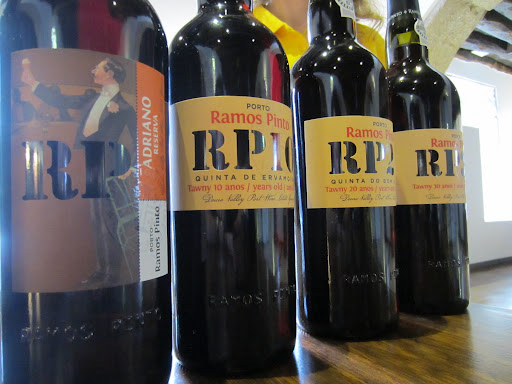
RP10 Quinta de Ervamoira
Quite rummy in character, but also very nutty and creamy. Quite subtle savoury elements, Sitting in the middle too much, not enough complexity.
RP20 Quinta do Bom Retiro
Nice smoky warm spice and dried fruit notes. Exceptionally well balanced, oxidative, textural, mouth-filling, focused, long and haunting. Perfect balance between sweetness and mature savoury notes of walnuts and toffee.
RP30
Complex closed tar and molasses notes, smoky toasty, pretty intense and warm, showing some complex nuttiness but I think it could do with more age to set it apart.
![]() |
| Some of the new labels from Ramos Pinto |
Filed under Tasting Notes
Fonseca – 13/07/2012
Bin 27 (Reserve Ruby)
Slightly oxidative toasty notes, slightly smoky dark currants. Lovely and viscous, warm and slightly spicy, fresh vibrant fruits, smooth and straight but mellow and slightly woody. Youthful and fresh.
Terra Prima (organic viticulture)
Very slightly earthier and spicier, certainly more ‘porty’, a little smokier. Softer and more red wine-like on the palate, ripe and intense, showing less of the sweetness, more integrated spice elements, softer and more a cuisine wine.
LBV 2007
Brighter on the nose, much more aromatic, earthier and less dark fruits, more in a dried raspberry and cranberry realm. Fuller and richer in it’s fruit and sweetness, although showing more of the alcohol in a rum kind of way. Much punchier and hotter in it’s texture and structure. Finishes a little short, undercooked somehow, not balanced.
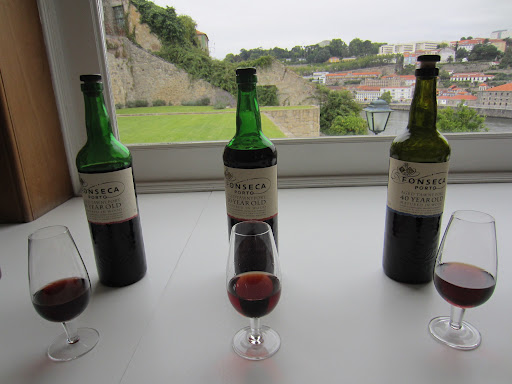
10 year old Tawny
Wonderfully caramelised and toasty, burnt orange and cinnamon. Wonderfully soft and light, still quite fresh, persistent concentrated, not too sweet, nice balance and great acidity. A little savoury celery on the back.
20 year old Tawny
Much lighter in colour. Sweeter and smoother like whiskey. Bright intense but much more refined and considerd. Showing the wood in a very confident way. Powerful and explosive almost, yet subtle and complex. Still with a nice slightly savoury fresh finish.
40 year old Tawny
Insanely subtle and complex but much smokier and caskier. Nutmeg, cinnamon, warm spice and cherry stalks. Voluptous opulent silky and long, integrated wood and sweetness, almost like crème brulee. Exquisitely balanced and pure, yet with layers of complexity.
Quinta do Panascal VP 2008
More grapey and young, mostly fruit on the nose but you see the potential for ageing. Fuller and more robust, very sweet profile, intense and ripe fruits. Very hot and young, mostly seeing the fruit which will age gracefully.
VP 2009
Much toastier and smokier on the nose, fruit is more subdued and yet to open. Big on the front, and on the middle, but clean on the back. Much more oak influence, will take a while to lose this and soften out. Much more structure, fruit subdued for now. Needs time.
![]() |
| Some of the Fonseca wines from the tasting |
Filed under Tasting Notes
Quinta da Pellada – 12/07/2012
Alvaro Castro Branco Reserva 2010 Dao D.O.P.
Nice and clean, mineralic citrus green fruit notes, hints of tropical spice. Light clean and pure, some very slight richness of viscosity. Full broad but quite short on the palate, initially warm but finishing cleanly. Balanced crisp and fresh, nice easy drinking.
Quinta de Saes Encruzado Reserva 2010
More delicate subtle aromas, not obvious at first, opening up with some melon and green apple fruit, some very subtle honey notes as well. A little richer and rounder, less flinty in it’s minerality, softer sweeter fruit profile, riper and more subdued, warmer. A little bit more character.
Quinta da Pellada Primus 2009 (encruzado, malvasia, cercial, bical, torrontes, etc.)
Quite a serious bold nose, somewhat mellow and rich, more robust yet more complex, slightly salty seashell notes. Compact, complex, tight and needing quite a while in bottle to open up. Rich and ripe, toasty and crunchy texture, more tropical profile but very dry and slightly herbaceous. Serious wine.
Alvaro Castro Tinto 2009 (tinta roriz, alfrocheiro, touriga nacional)
Slightly candied spice, black fruits, liquorice, raspberries. Very light and fresh, vibrant fruit and clean tannins, pleasant balanced and approachable, less concentration more freshness and acids. Lot’s of flavour in a tight package.
Alvaro Castro Tinto Reserva 2008
Deeper darker fruit on the nose, riper and more intense, showing some dark chocolate notes. Mellow full flavours, generous soft and broad tannins, tight acidity through the palate, quite intense at the moment. A little young and too exuberant at the moment.
Quinta da Pellada 2007
Juicier fruit-sweet nose, nice and creamy, mellow dark fruits, plum blackcurrant, serious and brooding yet inviting and approachable. Very intense and warm on the front, bold tannins that fade nicely on the back, fruit slightly overwhelmed at the moment, could do with some more age in the bottle. Very subtle herbal element.
Pape 2008 (blend of two vineyards, baga and touriga nacional)
Robust and powerful on the nose, concentrated seriousness, intensity of ripe dark fruit, some toasty sweet components. Much finer and more elegant, excellent purity and balance, nice combination of fruit and savoury elements. Powerful yet silky expression, very long and complex on the palate, will age beautifully. Stunning wine.
![]() |
| White wines at Quinta de Pellada |
Filed under Tasting Notes