![]() |
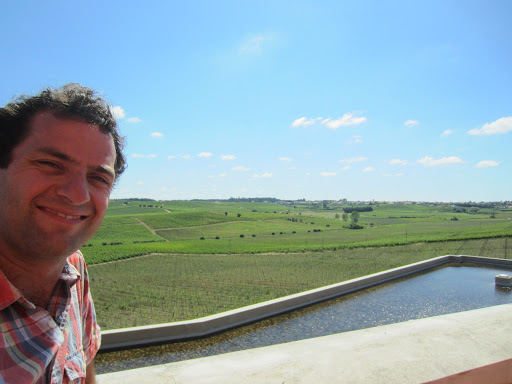
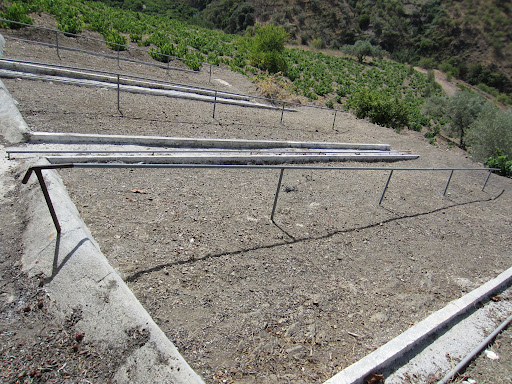
| Above the vineyards of Campolargo in Bairrada, Portugal |
Monthly Archives: July 2012
Baga me (Bairrada, Portugal – Day Two)
Filed under Winery Visits
Campolargo – 10/07/2012
Vinha do Putto Branco 2010 (mostly verdelho)
Green fruit nose, apples and pears, some ripe lemon and mandarin. Good ripeness and character, not so crisp but fresh and full flavoured. Nice clean finish, uncomplicated white wine.
Branco Bical Barrica 2010
More sancerre white burgundy type aromas of barrel and lees, creamy malolactic butter. Bold texture not heavy, but looking a little flabby. Lacking in focus and drive, but not oppressive or lazy. Somehow the fruit has been a little bit overworked and has disappeared.
Branco Arinto Barrica 2010
Pretty rich yellow colour. Completely overoaked toastiness, too smoky toasty. Very ripe and bold, full and fruit sweet on the palate. Far too aggressive in the texture, might improve somehow but it seems unlikely considering the lack of balance. I can’t work out whether it is too traditional or too modern…
Entre II Santos Rose Pinot Noir 2010
Good texture balance freshness, nice acidity, clean red fruits, purity approachability, a very good example of a rose made from this variety. Great everyday drinking wine.
Entre II Santos Tinto 2009 (mostly baga, castellao)
Nice fairly rustic earthy herbaceous characters, warm slightly spicy nose, almost a mulled wine character. A touch hot and over extractive, aggressive in texture. Not heavy, good acids, but a bit strong on the palate, lacking subtlety. Quite cooked to be honest.
Pinot Noir 2008
Classic pinot noir aromas, nothing more to say. Actually very good, but perhaps not hard to see considering the resemblance to baga. Balanced elegant pure, not being interfered with at all, good extension on the palate, structure and potential for ageing. A very pleasant surprise.
Baga 2010
Slight volatile spice and alcohol aromas, dark red fruits, currants and blackberries. Quite light on the palate, fresh good acidity and length, nice depth, good structure, balance. Some spice elements, powerfuly and expressive but not hot or heavy. A little more subtlety would be nice.
Rol de Coisas Antiagas 2009 (baga, castellao, bastardo, trincadeira, souzao, alfrocheiro, tinta pinheira)
Wilder denser earthier darker, bolder yet more focused acids and tannins through the middle of the palate. Bigger and possibly more approachable for more consumers, more intense experience.
Castellao 2009
Wonderful aromas, very floral and beautifully fruity, very ripe. Heavy intense, very focused and powerful, huge expression but not heavy or alcoholic. Tannic yes, fruit yes, oak not interfering at all. A fascinating wine that requires more attention over the years.
Valdazar 2009 (trinca daira da bairrada, baga, touriga nacional, tinta barocca)
Hauntingly subtle aromas of red fruits and some creamy oakiness. Bright and quite fresh on the palate, not heavy but on the hot side, struggling to see fruit, what is the missing ingredient? More fruit? More maceration? Good drive and focus, healthy acids, but a little warm at the end.
Calda Boraleza 2008
Quite a subtle nose, very serious aromatics, classic Bordeaux like characters, perfect balance between the varietal blend. Great intensity, balance harmony, wonderful character and style. Expertly crafted example of the style.
Alvarelhao 2011
Exceptional character, truly authentic. Fresh acids, bright drinkable and eatable tannins, tight and intense, grippy and astringent in a really nice way, fruit in harmony with savoury characters. Outstanding with food.
Brut Rose 2009
Bairrada bubbles are really good.
![]() |
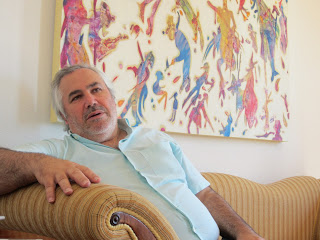
| Mr Campolargo himself |
Filed under Tasting Notes
Quinta das Bageiras – 10/07/2012
Bruto Natural 2010 (maria gomes, bical, cerceal)
Quite vibrant fruit driven, citrus, golden delicious. Clean balanced very fresh unassuming, clean pure fruit, light minerality. Sits somewhere between prosecco and cava.
Bruto Natural Rose 2010
Bright pure fruit, fresh red berries, a little salty and like purified water. Fresh fruit, very light balanced, slightly fruit creamy on the back, pleasant full balanced.
Grande Reserva 2004 (old vineyards, bical and maria gomes)
Marked difference in the autolysis characters. Some really interesting almond croissant aromas, like almond biscotti, rich ripe nose. Very smooth opulent, broad and rich, some savoury salty cured notes as well, a little cheesy. Very refined and opulent, an amazing example, one of the best I’ve tasted.
Vinho Branco 2011 (maria gomes, bical, cerceal)
Very bright fresh aromatics, quite similar to viognier, apricots, spice, oranges. Light fresh clean pure, again very similar to a blend of marsanne and viognier.
Garrafeiera Branco 2010
More complex fruit aromas, riper drier citrus and stone fruit notes, slight toasty cheese elements, some flinty minerality. Wonderful texture, very opulent and long, creamy still great freshness, but it is all the mouth feel.
Pai Abel Branco 2010
Spicy slightly green peppery notes, more wild style, skin contact stalky, slightly smoky toasty notes from barrel fermentation and battonage. Richer fuller texture from the barrique, crunchier and needing more time in bottle.
Colheita 2010 (baga 85%, touriga nacional 15%)
Spicy syrah like fruit profile, wild whole bunch characters. Soft smooth full and long, great tannin structure and fruit vibrancy, showing somewhere between pinot noir and syrah.
Reserva 2009 (40% touriga nacional)
Much more subtle smoky toasty bramble spice. Bold powerful fuller on the palate, denser bigger tannins, but more mellow and broad. Generous and approachable, a little fruit sweetness very late, slightly Italian traditional wine.
Garrafeira 2008 (100% baga)
Deeper darker fruit and floral aromas, rich meaty sweetness on the nose. Denser fuller and more powerful structure, broad yet focused, wonderful balance, quite young and in need of some development in the bottle, not opening up at the moment, quite forward. I’m sensing a pattern with baga wines.
Wonderfully rich smoky toasty maturity on the nose, opulent open aromatic nose, complex meaty. Soft rich silky and complex, fruit opening up very expressively and confidently, assured, I agree it would be difficult to distinguish between old pinot noir, nebbiolo and baga.
![]() |
| The first vintage in the cellars of Quinta das Bageiras |
Filed under Tasting Notes
Living on the edge (Bairrada, Portugal – Day One)
![]() |
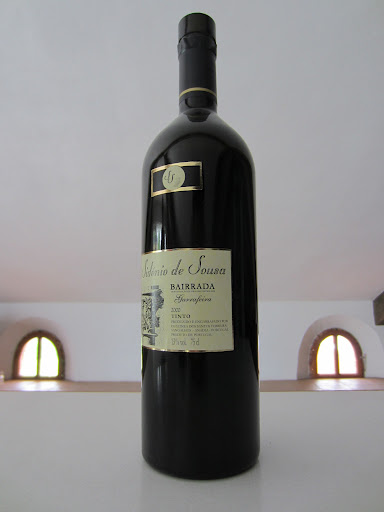
| Traditional method sparkling wines at Sidonio de Sousa |
Filed under Winery Visits
The Sherry Revolution (Jerez, Spain – Day Two)
![]() |
| Can you tell I’m missing home? |
Filed under Winery Visits
Hitting the flor (Jerez, Spain – Day One)
What comes to mind when you hear the word sherry? Depending on where you are from, the most likely response is little old ladies of British descent sipping on sweet wine out of small glasses. Considering the history of this particular wine this image is makes a lot of sense, but certainly isn’t 100% accurate. There is a certain irony in the fact that many of the sweet wines in the world were actually heavily targeted towards the British markets of the past, possibly none more so than sherry. They even designed specialty wines for them, most notably cream sherry which is still today the most familiar style to consumers in many parts of the world. Sherry wine as it is today is one of the oldest wine styles in the world, dating back to the Moors who introduced distillation and fortification over a thousand years ago. The British fell in love with the wine after Francis Drake sacked Cadiz and took several thousand casks back to England, and since then the UK has been their biggest market. To maintain consistency a system was devised to always have a constant supply, and this was the solera system. A minimum of four rows of barrels were stacked, and a minimum of three times a year the barrels are filled one-third from the top down. In the past this was done by hand using jugs, but today the wine is transferred to tanks and blended before being passed down. Therefore you can bottle sherry three times a year, which is important for the drier styles which are much better when they are fresh. With the higher alcohol fortification the wine can live longer in the bottle even after opening, which is why it is so common to find really old bottles in your grandparents bars. But the dry styles really need to be drunk within six months of bottling, as they tend to become a bit tired. Not easy for us down in Australia, hence my desire to taste from the solera when I visited. The two producers I visited are some of the oldest and most important in the region.
![]() |
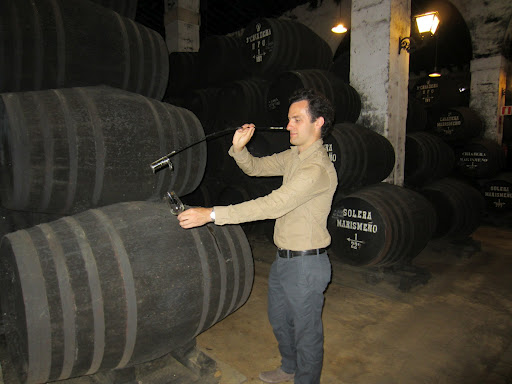
| The first of many attempts to remove some sherry from the solera |
Filed under Winery Visits
Luis Pato – 9/07/2012
Barrel tasting with Luis;
The baga wines varied between barrels, the sandy soils tended to have more focused structure and tannins through the middle of the palate, brighter more restrained red fruits and purity, as well as some subtle spice and pepper characters. The chalky clay soils were a little fuller and broader with darker fruit, less spice and more tannin but in a more mellow profile.
The touriga nacional was soft and full, quite grippy in tannins and good concentration, full and expressive without the same structure and ageing potential as the baga wines.
Finished wines with lunch;
![]() |
| Luis started this cellar after a visit to Melbourne in 2002 |
Filed under Tasting Notes
Sidonio de Sousa – 9/07/2012
Rose Brut Nature 2010 (two hours skin contact)
Very bright and fresh green red berries, hints of floral but actually quite herbaceous. Ripe ruby red fruits, impression of sweetness but its just the fruit. Light fresh, fairly broad for a traditional method sparkling wine. Quite an interesting profile.
Branco Brut Nature 2010 (bical, maria gomes, arinto)
Nice clean citrus nose, a little mineral influence, but very little autolysis. Bright fruity apples and citrus elements, clean pure and focused on the palate. Good balance and nice finish as well.
Tinto Brut Nature Baga Super Reserva 1999 (disgorged 2011)
Traces of large barrel aged oxidative influence and bottle age combination. Wonderfully ripe bright fruit, but without the dosage looks savoury, meaty and dry. Nice and soft and mellow, not at all heavy or cloying, tannins softened with age.
Reserva Baga 2008 (one year large old barrels, 2-3 years in bottle)
Rustic, a little wild, slightly smoky meaty, quite tight and closed, earthy herbal green influence, very shy fruit. Soft chewy juicy cooked tannins, bold full round, opulent and assured but quite different. Certainly designed for ageing, not showing amazingly at the moment. Certainly an influence from the fermentation process, slightly volatile.
Garrafeira Baga 2000
Wild earthy volcanic, complicated aromas, basalt flintiness, some liquorice and dried chrysanthemums. Dense bolder drier, much more mature (obviously), bolder and more powerful but not necessarily aggressive. Structure up the wazoo, but unique fruit characters.
![]() |
| The top wine, patiently ageing away, already 12 years old |
Filed under Tasting Notes
Sea change (Malaga, Spain)
What motivates people to step away from their comfort zones and start a new adventure in an unfamiliar place? This is a question that I ask myself quite regularly as I make my journey around the world, and encounter people who somehow have ended up somewhere far from their roots, much like myself. In my travels I have encountered viticulturalists and winemakers who are working in a region or country not their own, mostly for the love and challenge of great wine. Everything from Kiwis in the United States, South Africans in Canada, to Swiss in Germany and Spain, and Germans in Italy. And without question there are French everywhere, which is probably to do with the fact that outside of France there are more opportunities to create a reputation for themselves and build something from the ground up. This has particularly been the case in Spain, with at least six wineries I have visited being either founded by a French winemaker or at least employing one.
![]() |
| A cortijo where moscatel grapes are left to dry in the sun |
Filed under Winery Visits
Vote for pedro (Montilla-Moriles, Spain)
![]() |
| Dreams can come true |
Filed under Winery Visits