What a difference a day makes! It most certainly is a big change going from North America to South, not just because of the language difficulties, but the difference in setting. Adding on the difference in temperature and hours of daylight and it makes for an interesting transition. On first impressions Santiago seems like a relatively poor city in a developing kind of way, and from a certain perspective it is. Having travelled directly from New York City this is a somewhat unfair comparison. On closer inspection Santiago is a vibrant, bustling and growing city, and is as modern as many in Asia or Europe. Just be careful of anything valuable within easy reach, as it is likely to be snatched away, as I witnessed first hand. I won’t bore you with details about what I got up to in Santiago, because it’s pretty much the same stuff as what everyone does when they get here. If you haven’t already visited I do recommend making the trip, as it is an eye-opening experience.
Monthly Archives: November 2011
Lakes Placid (Finger Lakes, New York – Day Two)
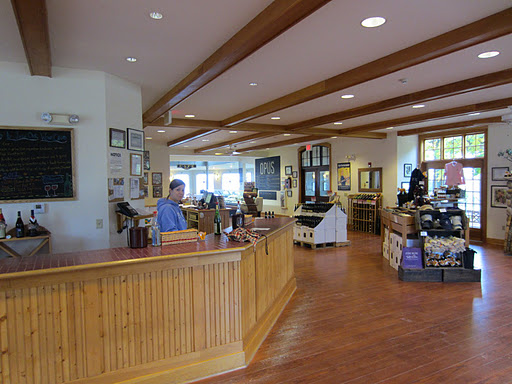
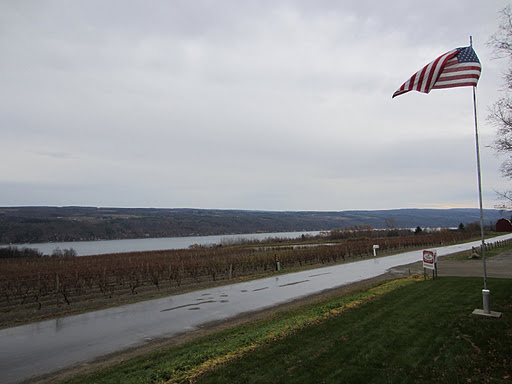
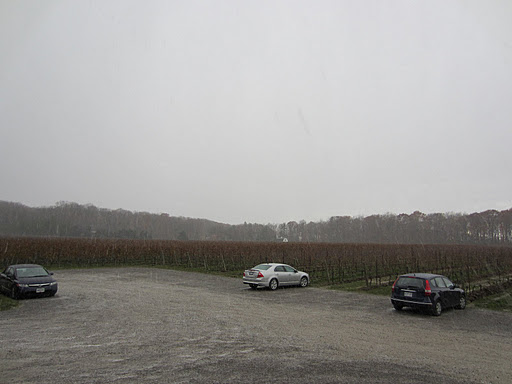
My second day in the Finger Lakes had much better weather thank goodness; it was a bit sketchy driving back to the motel in heavy rain at night (and by night I mean 5:00 p.m.) The Finger Lakes like the Niagara Escarpment were formed in the last Ice Age by glacial movement which not only tore up the gouges the lakes sit in but also shifted a lot of minerals and soil. This makes the region incredibly diverse in terms of terroir. It is also a fairly large region, taking about 1.5 hours to get from the most North East point to the most South West point. It’s lovely driving this time of year, as most of the trees have lost their leaves and it is quite stark. There are numerous small towns throughout upstate New York, looking quite rural but not poor. During the Summer this place gets pretty busy, and there is a lot to see, do and taste. The wines aren’t enough of a draw-card like they are in the Napa, but in a few years the 50% of the US population who live within a days drive will be flocking here to gobble up the wines.
Filed under Winery Visits
Purple Rain (Finger Lakes, New York – Day One)
Quick question; how many readers actually knew that they made wine in New York State? If you answered yes, how many knew that grapes were grown here dating back to 1829. Much like in the West Coast, Prohibition and phylloxera all but destroyed the wine industry here, and it wasn’t till after the end of WWII that it was re-established. Until the 1960s varieties planted here consisted of either native varieties or hybrids between French and American varieties. Many might think that it is simply too cold to allow grapes to ripen sufficiently. Similar to the Niagara Peninsula, the vineyards in the Finger Lakes are planted near large bodies of water which have a moderating influence on the micro-climate, reducing the difference between daytime and nighttime temperatures allowing for a more even ripening. It gets pretty cold in winter here though, so grafting onto European vinifera varieties onto native root-stocks is vital to survive the severe cold.
Filed under Winery Visits
Ice Ice Baby… sorry (Niagara Peninsula, Ontario – Day Two)
I haven’t had the greatest luck in terms of timing for most of my visits in North America. This has been mostly due to vintage, but in some cases due to the big Wine Spectator tasting in NYC. The bad luck I experienced in the Niagara Peninsula on this particular Saturday was due to a promotion they have running every weekend in November, which is essentially a passport weekend. You buy a ticket and enjoy a bit of food and wine at as many wineries you can visit in one weekend. There were considerably more people in the region than normal, so I was contending with crowds. This was especially apparent in Niagara-on-the-Lake, closer to Niagara Falls with larger wineries closer together. Niagara-on-the-Lake is also very flat, which in my opinion doesn’t make for great wines, but is easier to drive around I guess. Below is a photo I took above the Niagara Whirlpool.
Filed under Winery Visits
Top Shelf (Niagara Peninsula, Ontario – Day One)
The Niagara Peninsula in Ontario has a lot going for it. Sure, it is one of the most marginal and challenging climates for growing wine grapes, but it was so many other assets at it’s disposal. For one, as a cool-climate region it is poised to capitalise on the increased interest in cool-climate food-friendly wines both domestically and overseas. They have also garnered serious attention for their ice wines, trumping some famous European regions in a number of competitions. The Niagara Peninsula is also conveniently located only an hour or so from Toronto (their biggest market), right next to one of the biggest tourist attractions in North America (Niagara Falls), and less than a days drive to over 50% of the US population. Their agritourism is some of the most sophisticated I have seen outside of California, and they are doing pretty well. If only they could have more consistent vintages…
Filed under Winery Visits
Pacific Northwest – what I’ve learnt
Wineries don’t need to be on the vineyards they source fruit from. They don’t even need to be in the same region. Wineries in the Willamette Valley (Oregon) source fruit from Walla Walla (Washington). Wineries West of the Cascade Mountains in Washington source fruit almost exclusively from the East of the state. Red Mountain, a quarter of the size of the Walla Walla AVA, actually produces more fruit, but very little of the wine is made there. If a winemaker wants to make a particular style of wine, they will find the fruit they need. Many wineries deal with the tyranny of distance in different ways. Numerous wineries in the Western part of Washington were established close to Seattle, such as in Woodinville. The town of Walla Walla has been set-up as a wine tourism oasis. The Willamette on the other hand is naturally blessed with being less than an hour from Portland, but the Southern Oregon regions are not so lucky. The fruit for the wine may travel far, but visitors to wineries shouldn’t have to, and wine tourism hubs are as common as shopping districts in town.
![]() |
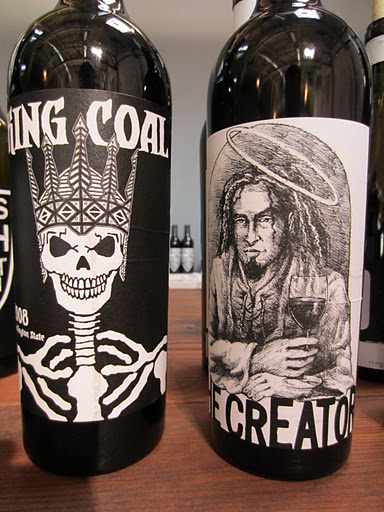
| Very cool labels in Walla Walla, Washington |
Filed under Articles
Location, Location, Location (Woodinville, Washington)
The first winery in Washington was founded in the 1950s. Ironically it was founded in the Eastern part of Washington, which is generally too cold and wet for viticulture. It was however, less than an hour from Seattle, their primary (and only) market. Washington is the second largest producer in the United States behind California, and nearly 99% of all grapes are grown West of the Cascade Mountains in the dry, warm and irrigated parts of the state. In terms of visiting wineries the best place is Woodinville, less than an hour from Seattle. Just don’t expect any vineyards.
Filed under Winery Visits